Huawei Will Provide Its Platform, Electric Drivetrains, And Autonomous Driving System To The Maseratis

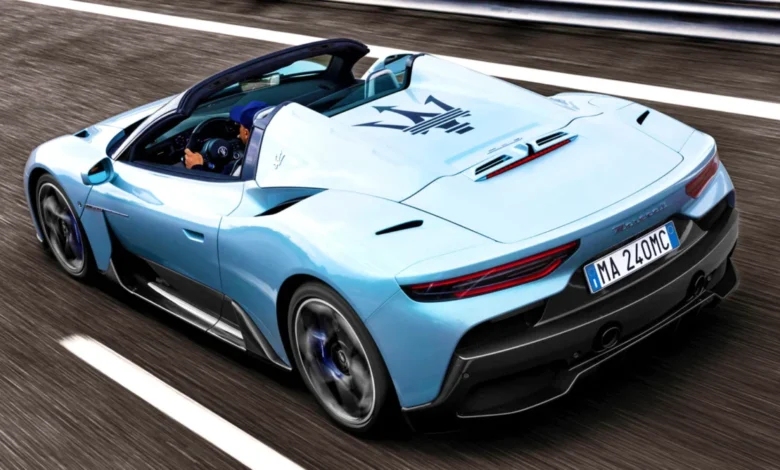
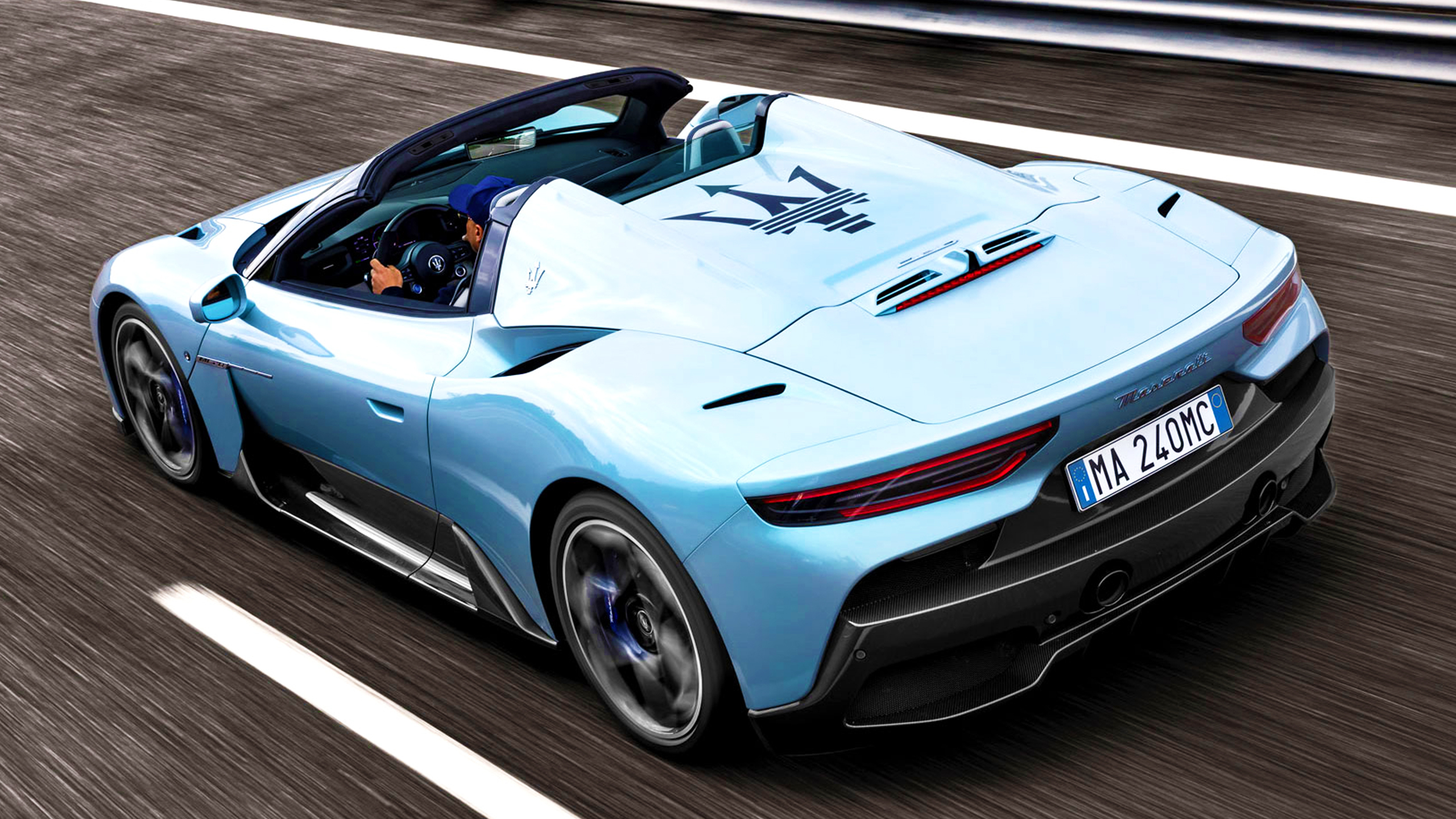
The automotive landscape is undergoing a profound paradigm shift, and even storied, century-old luxury brands are being forced to forge unconventional alliances to survive. Maserati, the iconic Italian trident badge renowned for its racing heritage and high-performance grand tourers, is reportedly turning to China for its electrification salvation. According to recent industry reports, Maserati has finalized a landmark partnership with tech giant Huawei and automotive manufacturer JAC Motors. This collaboration aims to co-develop two all-electric vehicles, combining Italian design ethos with advanced Chinese software, electric architectures, and autonomous driving technology.
While the prospect of a traditional Italian luxury carmaker joining forces with Chinese tech and manufacturing giants may challenge brand purists, the move highlights the immense financial and technological pressures facing legacy automakers in the era of electric mobility. Facing a sharp decline in global sales and escalating development costs for next-generation software-defined vehicles, Maserati’s new joint endeavor could redefine the brand’s long-term trajectory.
The Anatomy of the Partnership: Roles and Responsibilities
Under the terms of the newly agreed-upon collaboration, each of the three participating companies will leverage its core competencies to bring the upcoming vehicles to market. The division of labor is designed to maximize efficiency, blending high-tech engineering with European luxury appeal.
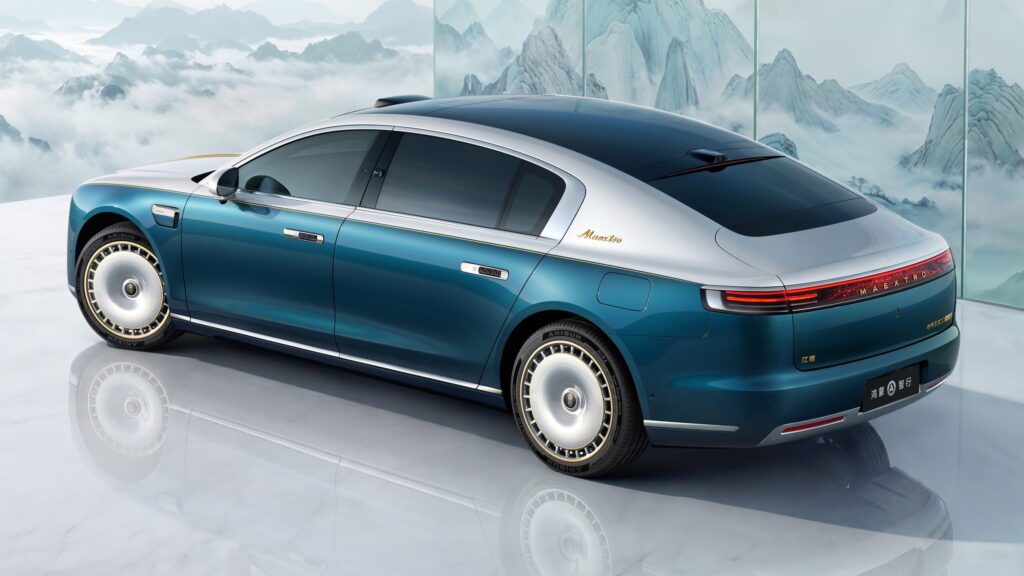
JAC Motors is set to handle the primary vehicle engineering and manufacturing operations. Production will reportedly take place at JAC facilities that currently construct vehicles for Maextro, an upscale automotive brand developed in partnership with Huawei under the Harmony Intelligent Mobility Alliance (HIMA) umbrella. However, in a bid to preserve the vehicles’ European pedigree, JAC’s manufacturing scope in China will primarily be limited to producing the body-in-white. Once these structural frames are completed, they will be shipped to Italy for final assembly, integration, and finishing touches.
Huawei’s contribution centers on its sophisticated technological ecosystem. The tech conglomerate will provide its HIMA platform, which encompasses the advanced Qiankun autonomous driving system, proprietary electric powertrain technology, and an intelligent cockpit setup. Huawei’s software and hardware integrations are expected to position the new Maserati models at the forefront of digital connectivity and driver-assistance capabilities.

Maserati, meanwhile, retains stewardship over the aesthetic identity and commercialization of the vehicles. Italian designers will spearhead the exterior and interior styling to ensure the models maintain the emotional resonance expected of a Maserati. Furthermore, the Italian marque will manage the global sales, marketing, and distribution network for these vehicles outside of China.
Product Lineup: Expanding the Folgore Range
Industry insiders indicate that the initial phase of the partnership will yield two distinct all-electric models: a mid-to-large electric SUV and an all-electric grand tourer (GT).
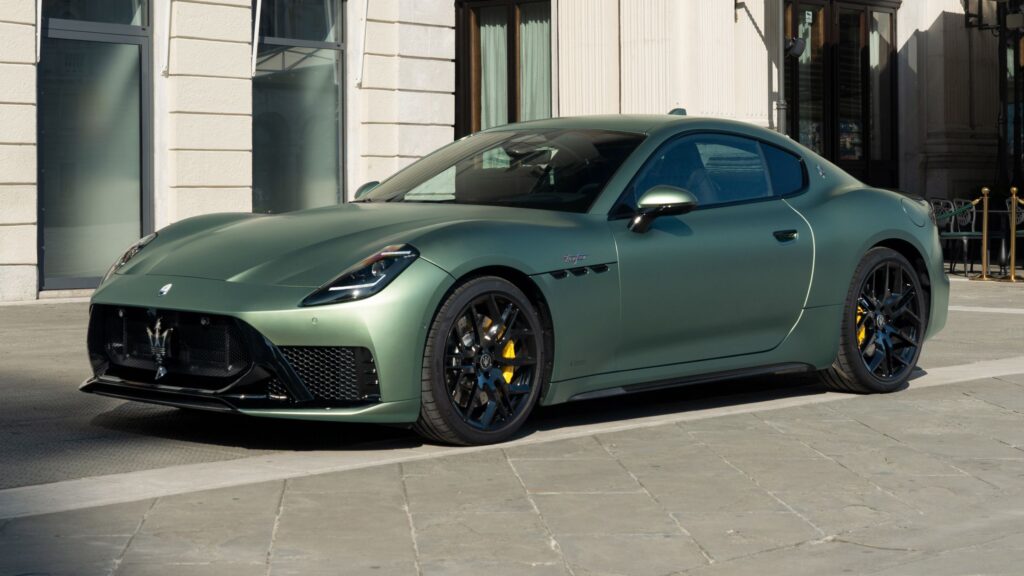
The forthcoming SUV is anticipated to serve as a modern, high-tech alternative or companion to the existing Maserati Grecale Folgore. By leveraging Huawei’s high-capacity battery systems and electric drivetrains, the vehicle aims to offer competitive range and charging speeds within the luxury segment. Meanwhile, the all-electric GT will complement the current Maserati GranTurismo Folgore, pushing the boundaries of electric performance and long-distance touring luxury.
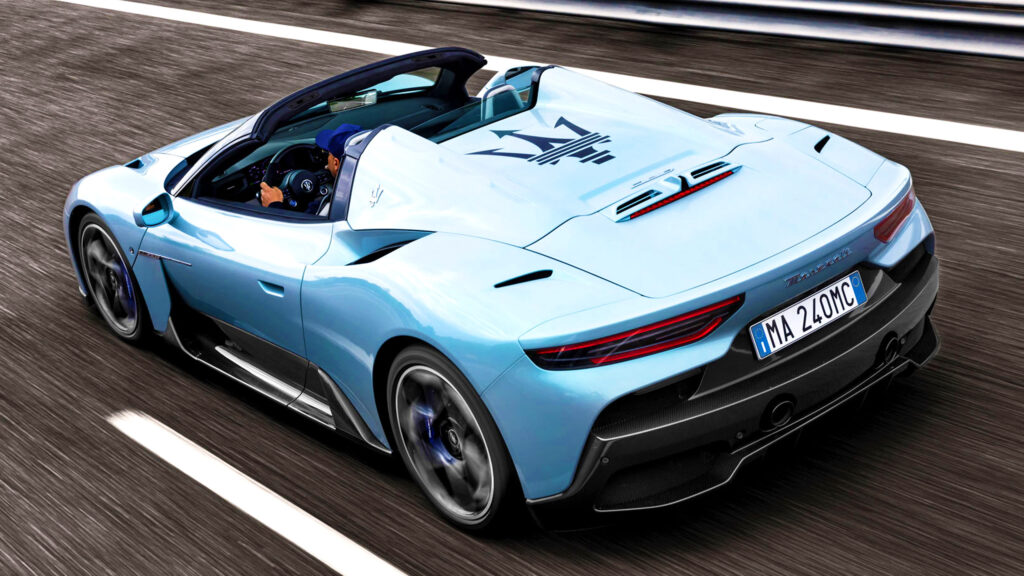
In terms of branding and market placement, the vehicles will wear dual identities. In the domestic Chinese market, the co-developed models are expected to be marketed under the Maextro banner, tapping into Huawei’s robust retail footprint and consumer base in Asia. Conversely, in international markets—specifically targeting regions such as the Middle East, Italy, France, and Germany—the vehicles will proudly wear the historic Maserati trident badge.
Background and Chronology: How the Deal Unfolded
The genesis of this cross-continental partnership traces back several months, evolving rapidly through distinct phases of negotiation and evaluation:
- May 2026: Rumors first emerged within automotive circles suggesting that Maserati was in early-stage discussions with Huawei and JAC regarding a potential electric vehicle tie-up. At the time, parent company Stellantis faced mounting pressure to address Maserati’s financial downturn and slow electric transition.
- Summer 2026: Technical evaluations and feasibility studies progressed quietly behind closed doors. Industry analysts noted that Stellantis was weighing the high cost of developing proprietary EV software platforms against the efficiency of outsourcing to established tech leaders like Huawei.
- September 2026: Reports from specialized trade outlets, including EET China, confirmed that preliminary talks had culminated in a finalized agreement. The scope of the project was clarified, detailing the division between Chinese manufacturing (body-in-white) and Italian final assembly.
Financial Pressures and the Urgency of Revival
The catalyst for this unprecedented alliance lies in Maserati’s recent financial and commercial performance, which has experienced a severe downward trajectory. During the 2025 fiscal year, Maserati sold a mere 7,900 vehicles globally. This figure represents a dramatic drop compared to the 11,300 units sold during the previous fiscal year, marking the brand’s lowest sales volume since the early 2010s.

Several factors have contributed to this slump, including a slower-than-anticipated consumer uptake of luxury electric vehicles in key Western markets, fierce competition from established German luxury rivals, and an aging internal combustion engine portfolio transitioning unevenly toward the brand’s "Folgore" EV lineup.
Parent company Stellantis, which oversees a vast portfolio of fourteen brands ranging from Fiat and Peugeot to Jeep and RAM, has repeatedly emphasized its commitment to securing a profitable and sustainable future for each nameplate. Chief Executive Carlos Tavares and other corporate leaders have maintained that underperforming brands must find operational synergies and cost-effective pathways to electrification. Partnering with Huawei and JAC offers Maserati immediate access to mature, scalable EV architectures and cutting-edge autonomous driving software—assets that would take billions of dollars and many years to develop independently.
Industry Implications and Strategic Analysis
The Maserati-Huawei-JAC partnership serves as a bellwether for the broader automotive industry, illustrating a growing trend where traditional European luxury manufacturers look eastward to bridge technological gaps.
For decades, European brands dominated the global automotive sector through superior engineering, mechanical refinement, and brand prestige. However, the modern consumer increasingly prioritizes in-car digital ecosystems, seamless smartphone integration, advanced driver-assistance systems (ADAS), and rapid over-the-air software updates. In these domains, Chinese technology firms like Huawei have established a commanding lead.
By outsourcing the software, electric drivetrains, and autonomous driving hardware to Huawei while retaining Italian design and final assembly, Maserati is attempting a hybrid model of automotive production. If successful, this strategy could provide a blueprint for other legacy luxury brands struggling to keep pace with the software-defined vehicle revolution.
Nevertheless, significant challenges remain. Brand purists may express skepticism regarding the integration of Chinese-engineered components into a storied Italian sports car. Convincing traditional buyers that a vehicle with roots in JAC’s manufacturing ecosystem maintains the authentic driving dynamics and emotional appeal of a Maserati will require exceptional marketing and rigorous quality control during the final assembly phase in Italy.
Outlook and Target Markets
Maserati’s targeted rollout strategy focuses heavily on regions with high demand for bespoke luxury and advanced electric mobility. By prioritizing markets in the Middle East—where high-net-worth individuals frequently embrace cutting-edge automotive technology—alongside key European strongholds like Italy, France, and Germany, the brand aims to recapture lost market share.
As the automotive world watches for official corporate announcements and prototype reveals, the partnership between Maserati, Huawei, and JAC stands as one of the most intriguing cross-border collaborations of the decade. Whether this East-West alliance can successfully revitalize the trident brand and secure its place in the electric future will depend heavily on the execution of the upcoming SUV and GT models when they reach showrooms in the coming years.