BMW Overhauls Global Strategy by Streamlining Model Lineup and Introducing Flagship US-Exclusive SUV

Following the successful market launch of the new 3 Series, BMW is embarking on a comprehensive strategic pivot designed to refine its global product portfolio and optimize operational efficiency. This structural shift, which emphasizes market-specific product development and the integration of advanced artificial intelligence across its value chain, marks a departure from the automaker’s previous strategy of broad-market expansion. As part of this transition, the Munich-based manufacturer is preparing to cull underperforming model variants while simultaneously introducing a new, high-end SUV specifically engineered to meet the demands of the North American market.
A Shift Toward Market-Centric Portfolio Management
BMW’s executive leadership has indicated that the company’s future hinges on its ability to respond with agility to the disparate needs of its major global markets. This approach acknowledges that the requirements of consumers in China, Europe, and the United States have diverged significantly in terms of vehicle size, powertrain preferences, and digital integration. By transitioning toward a more focused product portfolio, BMW aims to enhance its long-term return on investment by prioritizing vehicles that command higher margins and stronger consumer demand.
Central to this strategy is the deeper integration of artificial intelligence (AI). BMW has confirmed that it intends to deploy AI tools throughout every stage of the automotive lifecycle, from initial research and development to sophisticated manufacturing processes, as well as in direct-to-consumer sales and aftersales support. By utilizing predictive analytics, the company aims to reduce development cycles and better align production volumes with real-time market data.
The Rise of the Flagship US-Exclusive SUV
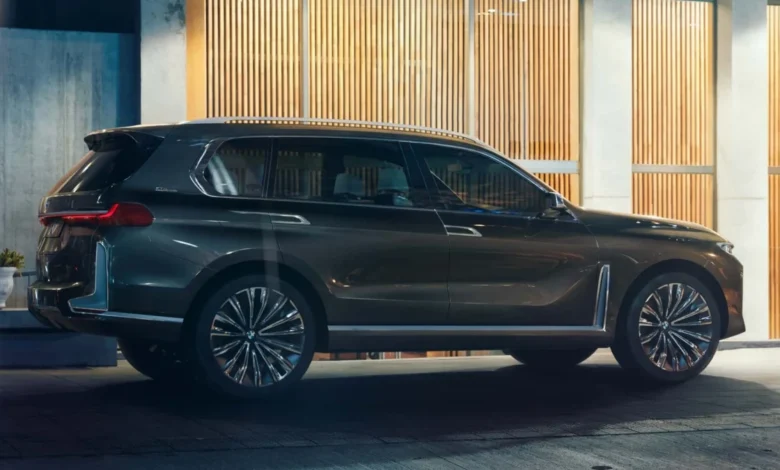
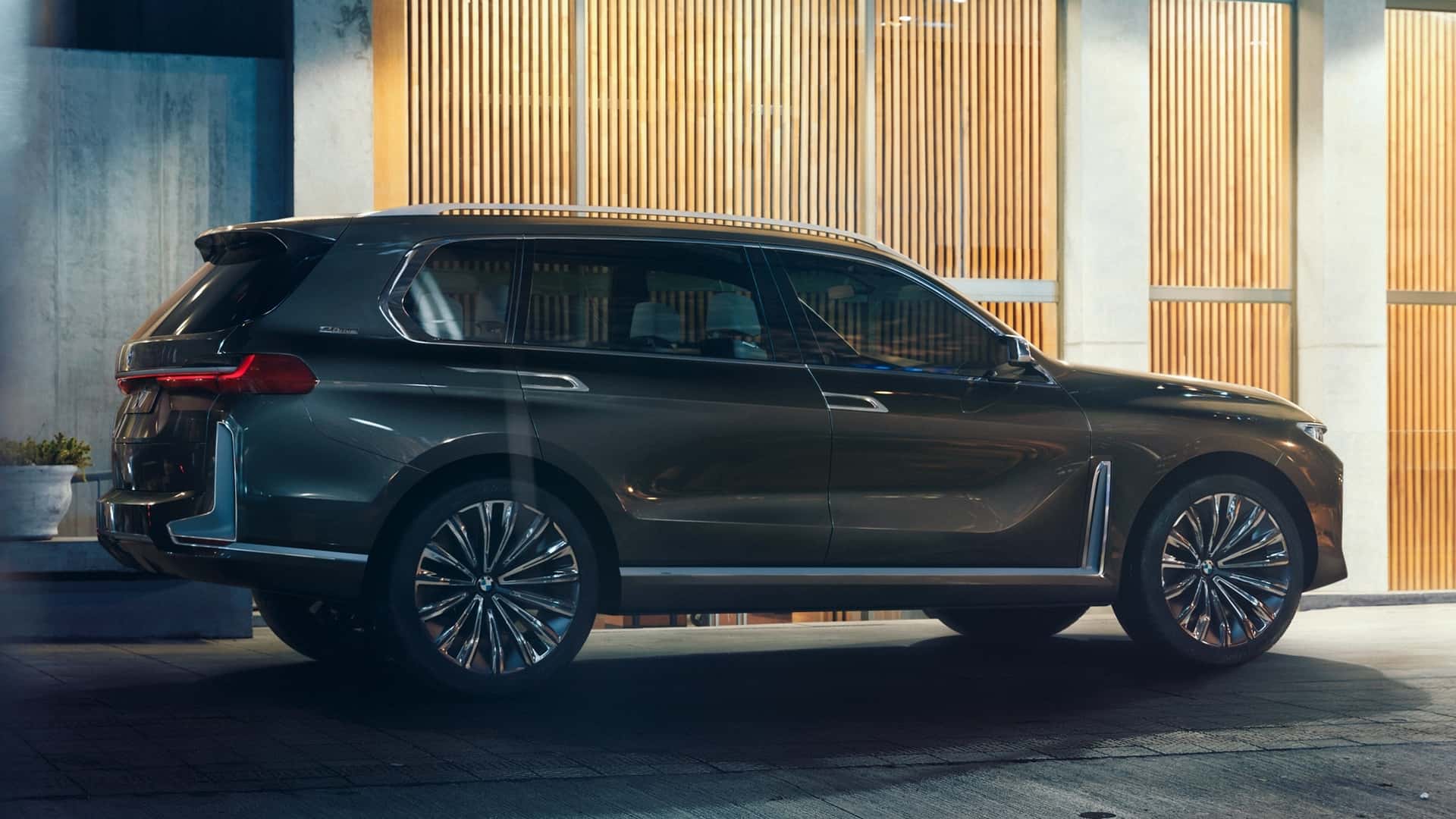
One of the most significant developments in this strategy is the announcement of an all-new, large-scale SUV, which is widely expected to be branded as the X8. Positioned above the current X7 in the manufacturer’s hierarchy, this new model is being developed primarily to satisfy the American appetite for premium, high-capacity utility vehicles.
BMW’s decision to prioritize this segment is largely a reaction to current production constraints. The Spartanburg, South Carolina, manufacturing facility—the largest BMW plant in the world by volume—is currently operating at full capacity. Despite this, demand for top-tier, luxury SUVs in the United States remains resilient. By adding an "additional offering" to its Sports Activity Vehicle (SAV) lineup, BMW hopes to capture a larger share of the ultra-luxury segment, a space where profit margins are traditionally high. While specific details regarding pricing, dimensions, and the official release schedule remain under wraps, analysts anticipate the vehicle will be unveiled within the next 18 to 24 months to maintain momentum in the segment.
Rationalizing the Lineup: Which Models Are at Risk?
The expansion of the flagship SUV segment comes at a cost, as BMW moves to trim its global offerings. The company has officially confirmed that it will begin a process of reviewing and discontinuing various niche variants that no longer align with its long-term financial targets.
The 2 Series Active Tourer has been identified as a primary candidate for discontinuation. This move signals a retreat from segments where consumer interest is dwindling as the market shifts decisively toward SUVs and crossovers. Industry observers suggest that this pruning process will likely extend to aging nameplates, with the i4 and iX potentially facing scrutiny as the automaker pivots its electric vehicle (EV) strategy toward the forthcoming Neue Klasse platform. This rationalization is intended to free up capital and engineering resources for the next generation of modular, electric-focused vehicle architectures.
The Strategic Importance of the Chinese Market
Parallel to its US-centric SUV strategy, BMW is doubling down on its commitments to China, which remains a critical pillar of its global volume. The automaker has set an ambitious target for 2030: to ensure that at least 95 percent of the vehicles it sells within China are locally manufactured.
This strategy involves more than just assembly; it requires localized development. By leveraging the Neue Klasse technology suite—a next-generation vehicle architecture focused on high-performance electric powertrains and software-defined vehicle features—BMW intends to design products that cater specifically to the digital-first preferences of Chinese consumers. This reflects a broader industry trend where multinational automakers are increasingly treating their Chinese divisions as semi-autonomous entities capable of driving global innovation.
The Alpina Brand and the Luxury Hierarchy
Further complicating the brand’s positioning is the integration of Alpina, the high-performance tuner-turned-manufacturer recently acquired by BMW. Next year, the company will introduce the first model under the BMW Alpina banner. Designed to bridge the gap between the top-tier standard BMW models and the ultra-luxury Rolls-Royce brand, the new Alpina offering is expected to be inspired by the 7 Series flagship.
This move is viewed as a strategic hedge against competitors like Mercedes-Maybach. By offering a bespoke, high-performance luxury alternative that sits above the traditional 7 Series but remains distinct from the ultra-exclusive Rolls-Royce range, BMW is attempting to capture the "ultra-luxury" customer who desires performance-oriented refinement without the overt opulence of a Rolls-Royce.
Future-Proofing: The Neue Klasse and the 1 Series
While much of the current conversation surrounds large SUVs, BMW’s long-term plan is anchored in the democratization of the Neue Klasse platform. The automaker has confirmed plans to introduce a new, fully electric entry-level model for the European market in 2028. Many industry analysts expect this vehicle to serve as the spiritual successor to the 1 Series, providing a gateway for younger, urban consumers to enter the BMW ecosystem.
The transition to Neue Klasse is expected to be a phased, multi-year process. The platform is designed to be highly modular, capable of supporting a range of vehicle sizes from compact hatchbacks to large SUVs, all while standardizing the software and battery management systems. This uniformity will eventually allow BMW to streamline its supply chain and significantly lower the cost of manufacturing electric vehicles at scale.
Analysis of Implications
The implications of this strategy are twofold. First, for the consumer, it suggests a narrowing of options in the short term as BMW removes niche models from its catalog. However, it also promises a more cohesive, tech-heavy lineup that is better tailored to the specific regulatory and consumer environments of the US, Europe, and China.
Second, for the financial markets, this transition represents a significant attempt to mitigate the risks associated with the industry’s massive capital expenditure on electrification. By focusing on high-margin SUVs for the US and high-volume, localized production for China, BMW is positioning itself to fund the high costs of R&D for the Neue Klasse platform.
The successful execution of this plan depends on several factors: the ability of the Spartanburg plant to scale up for the new flagship SUV, the reception of the first Alpina-branded BMW, and the speed at which the market adopts the upcoming entry-level electric offerings.
Chronology of Strategic Developments
- 2024: Commencement of the 3 Series global rollout; announcement of the intent to streamline the model portfolio.
- 2025: Anticipated debut of the first BMW Alpina-branded model, focusing on the luxury performance segment.
- 2026–2027: Expected launch window for the new, US-specific flagship SUV (tentatively referred to as the X8).
- 2028: Planned release of a new entry-level electric vehicle for the European market, utilizing the Neue Klasse architecture.
- 2030: Target year for 95 percent local manufacturing capacity for the Chinese market.
As the automotive landscape shifts toward software-defined, electric-first mobility, BMW’s strategy reflects a clear understanding that the era of "one-size-fits-all" global platforms is effectively over. By segmenting its development and production based on regional strength, the company is attempting to balance its heritage as a driver-focused brand with the modern necessity of high-tech, high-margin, and highly localized manufacturing. Whether this strategy will allow BMW to maintain its market share against both legacy rivals and emerging EV-only manufacturers remains to be seen, but the intent to prioritize profitability and market-specific relevance is the central theme of this new era for the German marque.